- Retirement Examined
- Posts
- Retirement Examined
Retirement Examined
5-Minutes of Breakthrough Secrets: Happy, Fulfilling Retirement

Eric Seyboldt
September 04, 2025
In partnership with

The weekly email that keeps you up to date on exciting Retirement topics in an enjoyable, entertaining way for free.
Liquidity with Purpose: Rethinking the Role of Cash in a Retirement Portfolio
by Eric Seyboldt, MBA

Why Cash Belongs in Every Retirement Plan
In the world of retirement investing, cash is often dismissed as inefficient or unproductive. Yet in today’s economy—characterized by volatile markets, rising longevity, and shifting interest rates—cash plays a vital role. It provides flexibility during uncertain periods, protects retirees from selling at the wrong time, and helps ensure consistent income when it’s needed most.
Far from being a drag on performance, cash can improve portfolio outcomes when used strategically. It doesn’t drive returns—but it helps preserve them.
The Strategic Role of Cash: Stability, Flexibility, and Timing
Avoiding forced selling: Many retirees underestimate how harmful it can be to sell investments during a downturn. Holding a year or two of living expenses in cash helps prevent panic selling when markets are down. That alone can materially improve long-term results. Studies have shown that portfolios with an adequate cash reserve are more resilient, particularly during market shocks or early retirement years.
Managing volatility: While equities fluctuate sharply and even bonds can drop, cash remains stable. For retirees, stability is a form of risk management. Keeping a modest cash allocation ensures that withdrawals can continue—even when markets are not cooperating. This can be especially useful for covering fixed costs like housing, utilities, or Medicare premiums.
Taking advantage of market opportunities: Investors with liquidity have more options during periods of market stress. In 2008, and again in March 2020, those holding cash were able to purchase assets at substantial discounts. They didn’t need to “time the market.” They simply had the ability to act when prices were down. That flexibility has proven valuable again and again.
Trade-Offs: What Cash Can and Can’t Do
Cash generally lags inflation: Over time, cash tends to earn less than the rate of inflation, which means its purchasing power declines. While high-yield savings accounts and Treasury bills have offered strong returns in recent years, those rates are cyclical. The Federal Reserve has signaled possible rate cuts in the coming year, and when that happens, cash yields will likely fall as well.
Lower expected returns: Compared to stocks or even high-quality bonds, cash earns less over the long run. While that may be an acceptable tradeoff for stability and liquidity, holding too much can reduce the growth potential of a portfolio—especially over a retirement that might last 25 to 30 years.
Not a permanent shelter: In short bursts, cash protects. But when used in excess or as a default holding, it can delay necessary rebalancing or discourage investment in higher-yielding assets that support retirement goals. The key is using it with discipline—not as a reaction to fear, but as part of a structured strategy.
Real-Life Examples: How Retirees Use Cash Effectively
Example 1: The bucket strategy
A retiree with $1.2 million sets aside $160,000 in cash—enough to cover two years of withdrawals. The rest is divided between intermediate-term bonds and diversified stocks. This layered approach provides income now, stability in the middle term, and growth over the long term.
Example 2: Using cash during market declines
During the COVID-driven selloff in March 2020, a client with $90,000 in cash was able to fund living expenses for nearly a year while leaving their investment portfolio untouched. By the time they resumed withdrawals, markets had largely recovered. This small reserve preserved over $300,000 in invested assets from being sold at depressed prices.
Example 3: Reviewing excess cash
A couple in their mid-70s held $380,000 in cash alongside $900,000 in long-term investments. Concerned about inflation, their adviser suggested reducing cash to $150,000 and reallocating the rest into short-term bonds and dividend-focused stocks. The new structure preserved liquidity but improved yield and diversification.
Best Practices: Building a Cash Allocation That Works
Guideline: 2% to 10% in cash
Most retirement planners suggest holding between 2% and 10% of a portfolio in cash, depending on income needs, risk tolerance, and planned withdrawals.
Withdrawals: Maintain 1 to 3 years of expenses in cash or near-cash
For retirees drawing from their portfolios, maintaining enough cash to cover 12–36 months of expenses adds predictability and helps reduce the impact of market cycles.
Don’t chase yield without understanding risk
While high-yield accounts and CDs offer attractive returns today, those yields will fluctuate. Stay aware of reinvestment risk and keep cash in tools that offer FDIC protection or high-quality backing, such as Treasury bills or insured money market funds.
Plan for redeployment
When markets are rising and volatility is low, it may be appropriate to reduce cash and rebalance. Likewise, in periods of market stress, cash can be redeployed into undervalued investments. Keeping a disciplined approach ensures that cash doesn’t become idle.
Cash Is Not Necessarily the Enemy of Returns, It’s the Enabler of Certain Strategy
Retirement planning is not about maximizing every percentage point of return, it’s about ensuring income, managing risk, and preserving independence. In that light, cash plays an indispensable role.
It offers retirees time—the time to wait out downturns, make thoughtful decisions, and act on opportunities. Used correctly, cash doesn’t compete with stocks or bonds—it complements them. It brings balance, flexibility, and clarity to what can often feel like an uncertain stage of life.
For financial planners, investors, and anyone preparing for the long arc of retirement, the takeaway is clear: cash deserves a seat at the table. Not the biggest seat—but a permanent one.
Reach out to us for a complimentary, 10-minute consultation call. A well-constructed retirement strategy should do more than just manage risk—it should provide clarity, confidence, and long-term stability. If you're approaching retirement or already in it, now is the time to align your portfolio with your goals. Schedule a complimentary 10-minute consultation by calling 614-943-2265. Thoughtful planning today can help ensure your retirement is built on a foundation of informed choices—not guesswork.
Keep This Stock Ticker on Your Watchlist

They’re a private company, but Pacaso just reserved the Nasdaq ticker “$PCSO.”
No surprise the same firms that backed Uber, eBay, and Venmo already invested in Pacaso. What is unique is Pacaso is giving the same opportunity to everyday investors. And 10,000+ people have already joined them.
Created a former Zillow exec who sold his first venture for $120M, Pacaso brings co-ownership to the $1.3T vacation home industry.
They’ve generated $1B+ worth of luxury home transactions across 2,000+ owners. That’s good for more than $110M in gross profit since inception, including 41% YoY growth last year alone.
And you can join them today for just $2.90/share. But don’t wait too long. Invest in Pacaso before the opportunity ends September 18.
Paid advertisement for Pacaso’s Regulation A offering. Read the offering circular at invest.pacaso.com. Reserving a ticker symbol is not a guarantee that the company will go public. Listing on the NASDAQ is subject to approvals.

The Medicare Trap: What No One Tells You About AEP Until It’s Too Late
by Eric Seyboldt, MBA
Client: Eric, I’ve been getting all these letters and phone calls about Medicare plans—some are talking about free dental and vision, others about Supplements. I know AEP is coming up, but I don’t even know where to start. What’s actually at stake?
Eric: What’s at stake? Everything.
Every fall, from October 15 to December 7, retirees are handed the keys to one of the most important financial decisions of their lives—and most have no idea how high the stakes really are. This isn’t just about what card you carry in your wallet. It’s about how you’re treated when you're vulnerable. It's about control.
Client: So what are the actual choices?
Eric: You’ve got three pieces to the puzzle:
Original Medicare (Parts A & B) – That’s the foundation.
Supplemental (Medigap) plans – These help fill the gaps that Medicare leaves behind.
Medicare Advantage (Part C) – A bundled alternative to Original Medicare, run by private insurance companies.
Each has pros and cons. But don’t let all the options fool you into thinking they’re all equal. They’re not.
Client:
What’s the real difference between a Supplement and Advantage?
Eric: Think of it like this:
A Supplement plan is like building a brick house with a storm shelter. It's solid, time-tested, and it won’t leave you scrambling when things go wrong. You can go to any doctor or hospital in the country that takes Medicare. No networks. No referrals. Your out-of-pocket costs are predictable. You’re protected.
A Medicare Advantage plan is more like living in a high-end condo with a great fitness center—but a HOA that calls the shots. If you're healthy and like structure, it can work great. You’ll often have $0 premiums, bundled dental and vision, even fitness perks. But you're in a network. You may need referrals. You may face co-pays, authorizations, and plan changes from year to year.
It’s not bad—it’s just different. But the consequences of picking the wrong one for your situation can be huge.
Client: Is it really that big of a deal?
Eric: Yes. Let me give you two real examples.
Bob, 68, healthy as a horse. He chose Medicare Advantage. $0 monthly premium, routine check-ups covered, loved his plan. Worked like a charm for three years.
Then his doctor retired. His new one wasn’t in-network. Bob had to switch primary care doctors again. Then, when he needed a heart scan, he waited six weeks for pre-approval. Ended up paying over $2,000 for what would’ve cost less than $200 under a Supplement.
Meanwhile, Diane, same age, same town, had Original Medicare and a Supplement. She had a scare with her kidneys. No waiting. She saw the top nephrologist in the state the next week. No questions asked. No bills in the mail.
That’s not to say Bob made a mistake. It worked for a while. But Diane had options when the unexpected hit—and that’s what makes the difference over time.
Client: So, is a Supplement the better option for most people?
Eric: For most people? Yes. Especially if they want choice, predictability, and protection from surprise bills.
Supplements cost more upfront. A good Plan G might run you $150–$180/month, plus a drug plan. But what do you get?
Nationwide access to top doctors and hospitals
No networks
No referrals
No sudden coverage changes
Peace of mind that’s hard to price
Medicare Advantage plans can work just fine, especially for folks who are healthy, budget-conscious, and comfortable staying in-network. But if your health turns, or you move, or you want the freedom to choose your care team, a Supplement gives you the strongest footing.
Client: Can you switch between them?
Eric: That’s where AEP becomes critical.
If you're going from Advantage to Supplement, you may need to go through medical underwriting. Meaning: they can ask health questions. And they can say no.
That’s why I tell people: Don’t wait until your health forces the issue. By then, you may be out of options.
Client: So what’s the smart move right now?
Eric: Don’t wing it. And don’t pick a plan based on a mailer or a commercial.
Sit down with someone who understands the fine print—someone who’s helped people navigate this process for decades. Look at your medications, your travel habits, your doctors, your budget, and your risk tolerance.
Then make a decision that fits your life—not just your mailbox.
So before the window closes this December 7th, get the guidance you need to make the best Medicare decision of your life.
Ready to make the smartest Medicare move of your life?
Don’t leave your health—or your future—to chance. Before this AEP window closes, schedule your no-cost, 10-minute Medicare Strategy Call with Eric Seyboldt.
Whether you’re brand new to Medicare or considering a switch, Eric will walk you through a clear, side-by-side comparison and help you choose the option that puts you in control—not the insurance companies.
Call or text Eric at 614‑943‑2265 today.
Because when it comes to your health, your freedom, and your retirement security…
you’ve earned more than just coverage. You’ve earned confidence.
Let’s build a plan that protects it.
🧼 Ohio’s Most Trusted Name in Power Washing & Window Washing
Is your home’s curb appeal fading fast? You’re not alone—and there’s never been a better time to bring it back to life.
Right now, Luke’s Property Services is offering 10% OFF all power washing services—but only for a limited time (end of May)! Whether it’s your driveway, patio, deck, walkway, or siding, they’ll blast away years of grime in a single visit.
🏠 Before and after? Like night and day.
💧 Equipment? Commercial-grade and eco-friendly.
💪 Results? Shockingly clean—and they speak for themselves.
✅ Trusted by homeowners across Central Ohio
✅ Fast, professional, and always reliable
✅ No-pressure, free quotes — just text or call!

📞 Call or Text Luke’s Property Services Today: (614) 531-6979

Fixed annuities can be an essential component of a well-rounded retirement strategy, offering security, predictability, and efficiency in financial planning.
These are current fixed annuity rates and their durations from Top A-rated carriers (subject to change at any time, not FDIC insured):
Rates Are Maxing Out! Don’t Wait To Lock These Fixed Annuity Rates In Today! 6.70% is possible now!
3-year: 5.50% (under $100k Deposited)
3-year: 5.75% (over $100k Deposited)
5-year: 6.10% (under $100k Deposited)
5-year: 6.35% (over $100k Deposited)
7-year: 6.35% (under $100k Deposited)
7-year: 6.65% (over $100k Deposited)
Please feel free to call Eric at 614-943-2265 if you’d like to ask any questions or request information on these fixed annuities or other retirement topics that are on your mind.

“Cash combined with courage in a crisis is priceless.”
Warren Buffett
REAL ASSETS, Invest Like the Ultra-Wealthy
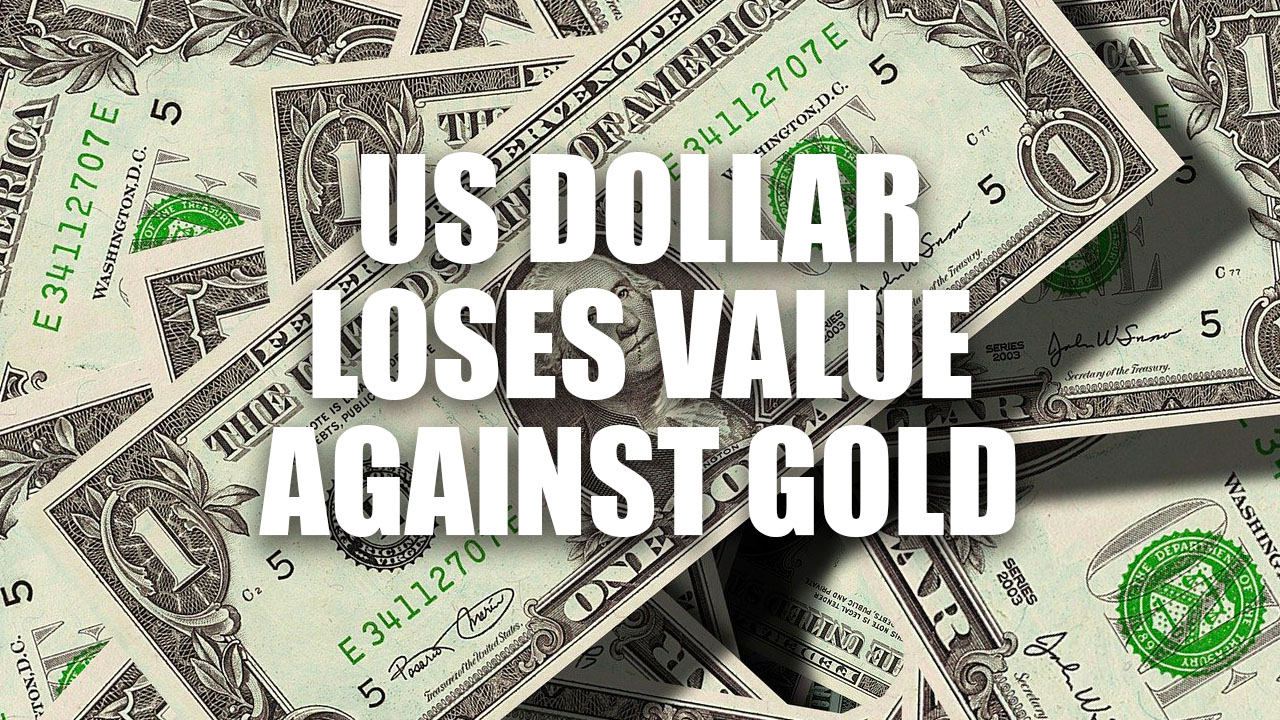
Invest Like the Ultra-Wealthy: Why Smart Money Is Flocking to Real Assets Like Gold
Let’s call it like it is: the traditional retirement game plan is starting to look outdated. Inflation keeps climbing, the dollar doesn’t stretch like it used to, and central banks continue flooding the system with liquidity. Meanwhile, the markets? Still as volatile and unpredictable as ever.
That’s why today’s smartest investors aren’t sitting on the sidelines—they’re taking action.
They’re turning to gold—a timeless, tangible asset that doesn’t disappear when Wall Street stumbles. Gold has quietly built and preserved wealth through centuries of financial upheaval.
This isn’t just a hedge. It’s a proven strategy for uncertain times.
📌 Gold has stood the test of time as a store of value across every major crisis.
📌 It provides a reliable safeguard against inflation and currency devaluation.
📌 Unlike stocks or bonds, gold is a physical asset you can see, hold, and control on your terms.
When the future feels uncertain, gold offers stability, security, and peace of mind. Make it a cornerstone of your retirement strategy today.
During market chaos, real assets don’t flinch. They thrive. History proves it. While equities tumble, hard assets often surge—shielding portfolios and delivering asymmetric returns when they're needed most.
And even in calm times? They add powerful diversification. That’s why the ultra-wealthy use them as a cornerstone—not a sideshow—in their wealth strategy.
Ask yourself:
🧠 Are you truly diversified?
🧠 What happens to your retirement if inflation stays elevated?
🧠 If the dollar weakens, what asset in your portfolio gets stronger?
If you don’t have a good answer, it’s time for a new conversation.
Allocating funds into the asset class known as “Real Assets” may be a strategy that you should consider.
Ask us how to Rollover a portion of Your IRA or 401k To a GOLD IRA (see link below) and:
Safeguard your assets from the collapsing dollar
Incorporate the ‘REAL ASSET’ class into your portfolio like the ultra-wealthy
Hedge against the current high-inflation conditions
Protect your retirement assets against economic crises
Just get in touch. We make it easier than ever.
CONNECT WITH US

Eric Seyboldt, MBA
Feedback or Questions?
You’re invited to get in touch with us if you’d like to find out how the Novus Financial Group can help you on your journey to a happy, fulfilling life in Retirement.
Office: 614-943-2265
Feel Free To Forward Retirement Examined To A Friend and Have Them Subscribe By Clicking The Button Below:
Reach out if you’d like to advertise your business on Retirement Examined or would like to be a sponsor.
Investment advisory services are offered by duly registered individuals on behalf of CreativeOne Wealth, LLC a Registered Investment Adviser.
The content we provide here isn’t financial advice and cannot be taken as such. Please speak to your financial advisor before making any investment decision. Also, note that every investment comes with its risks and drawbacks. Lastly, we would like to remind you that past results cannot guarantee future returns.
This website contains one affiliate link. When you click on the link and make a purchase, we may receive a commission at no additional cost to you. We only promote companies that we have personally used or researched and believe will add value to our readers